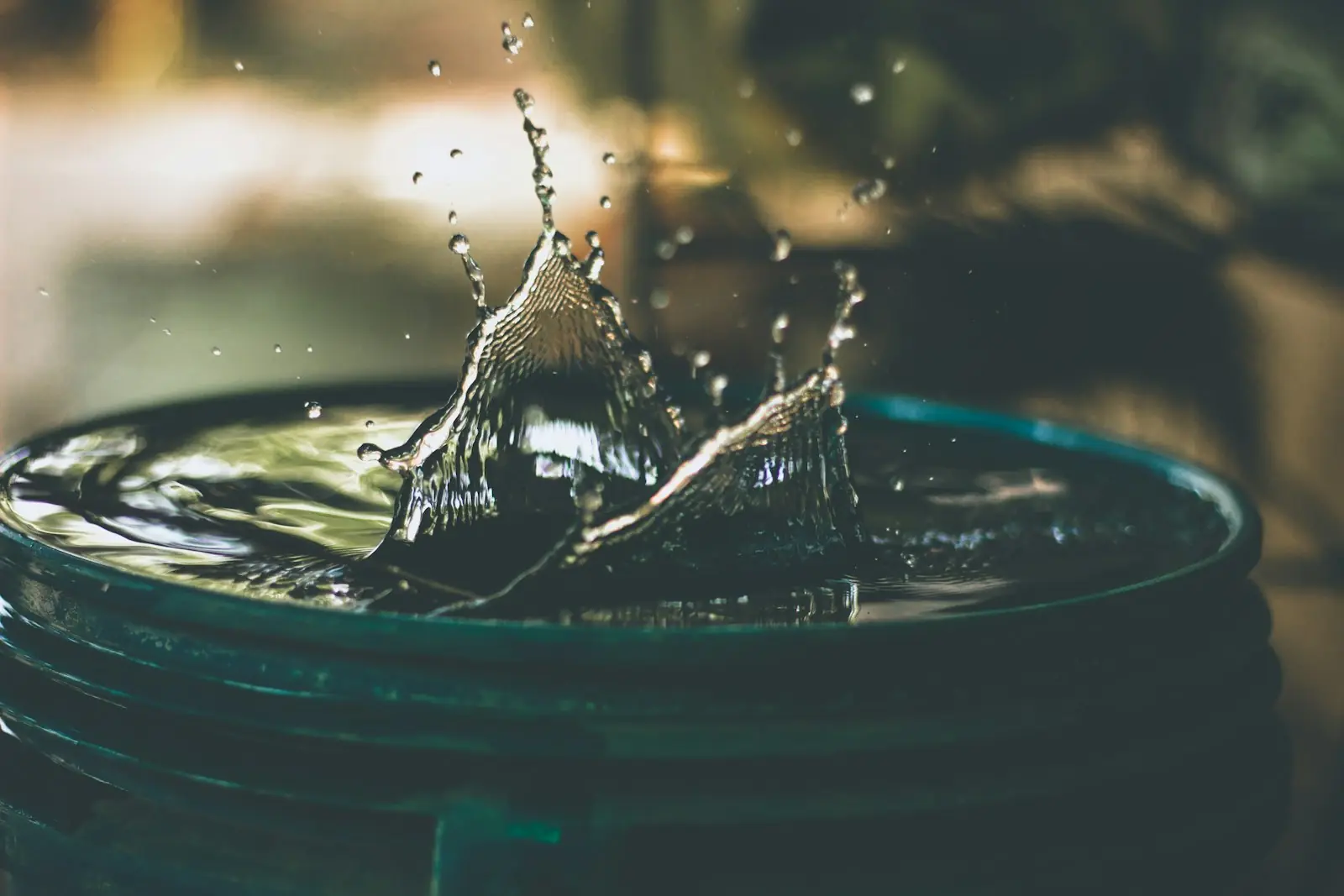
Emergency Water Extraction in Miami
Standing water does its worst damage in the first day: it wicks up drywall, soaks carpet pad and spreads under flooring. Miami's year-round heat and humidity slow drying and help mold get started. EPA advises drying wet materials within 24 to 48 hours to help prevent mold growth.
What extraction involves
A restoration crew pumps or vacuums out standing water, pulls up soaked carpet pad where needed, and sets up air movers and dehumidifiers. They take moisture readings in walls and floors and come back to check them until the materials are dry. Ask for those readings in writing; insurers often want them.
Before the crew arrives
- Stop the source: close the main shutoff or the valve to the failed fixture.
- Keep people and pets off wet floors near outlets and cords.
- Move furniture off wet carpet and put foil or plastic under legs.
- Photograph the water line, the source and damaged items before cleanup.
Common sources in Miami homes
Water heaters, AC condensate lines and drain pans, washing machine hoses, ice maker and sink supply lines, leaks from the unit above in condos, and corroded cast iron drains in older homes.
Free referral to an independent Miami-Dade business. Requests accepted 24/7.
Questions people ask
How fast should water be removed?
Can I use a shop vac?
Will my insurance pay?
Licensing note
We are a referral service, not a contractor, and we don't adjust claims or interpret insurance policies. In Florida, mold remediation over 10 square feet requires a DBPR-licensed mold remediator, and plumbing or building repairs require a contractor licensed under Chapter 489. Verify licenses with the DBPR license search.
Related help
Burst pipe cleanup
Supply lines, water heaters and pipes that split.
Flood & storm water cleanup
Hurricane rain and surge, king tides, summer downpours.
Sewage backup cleanup
Drains backing up. Keep people and pets out.
Sources and local resources
Sources checked November 19, 2026. Local rules change; confirm details with the agency.